Inactivity expansion
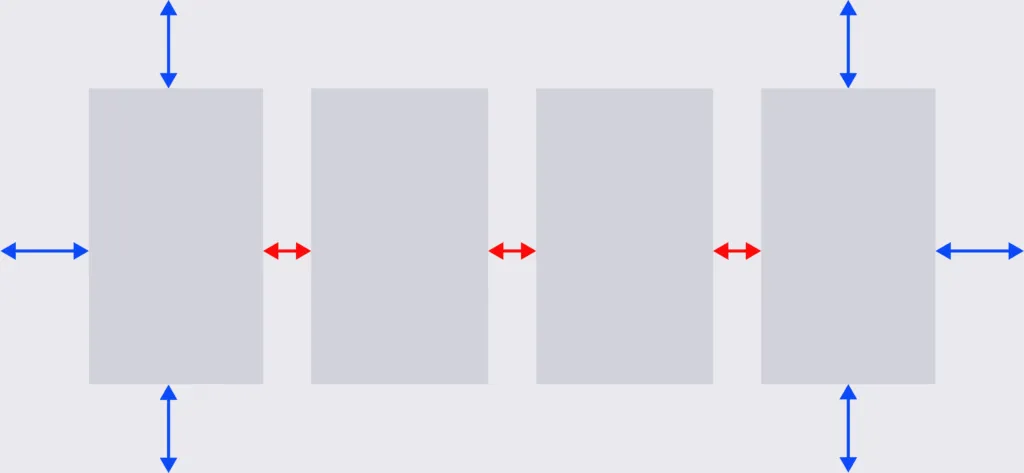
Prolonged inactivity gently expands layout margins, reducing visual compression and inviting spatial relief through gentle layout shifts.
Adaptive module
The adaptive system reads interaction rhythm and adjusts module spacing, typography tension, and field density without surfacing directives or lists.
Response logic
Prolonged inactivity gently expands layout margins, reducing visual compression and inviting spatial relief through gentle layout shifts.
Consistent input patterns compress the interface into a precise, structured state that mirrors a balanced spatial rhythm.
Detected tension increases whitespace and module separation to lower visual load while maintaining continuous background operation.
Inertia realignment
Element positions recalibrate slowly, mimicking interface inertia. Sudden jumps are avoided; instead, modules drift toward equilibrium over several interaction cycles.
Habit embedding
Personal habit intentions are encoded into interface timing—when modules breathe outward or contract—so alignment happens through environmental response.
View weekly rhythm layerOur team helps map habit plan density to your session patterns and spatial preferences.
Get in touch